News
Inside Luxembourg: Harvest traditions and autumn flavours
30 September 2026
By Isabelle Frisch-Koopmans
October arrives with a different rhythm in Luxembourg. The vineyard hills along the Moselle begin to glow in shades of gold and red, orchards are heavy with fruit, and the air carries the unmistakable scent of autumn.
It is a month filled with traditions that celebrate family, culture and the harvest season. From Luxembourg's unique Father's Day to apple and plum festivals, museum evenings and comforting local recipes, October offers countless opportunities to discover another side of the Grand Duchy.
Pappendag: A Luxembourgish tradition
Many international families are surprised to learn that Father's Day in Luxembourg is not celebrated in June. Instead, Luxembourg celebrates Pappendag on the first Sunday of October, which falls on 4 October 2026. Unlike many neighbouring countries, Luxembourg has maintained this special autumn tradition, making it one of the few countries in Europe to honour fathers at this time of year.
For many children, the preparations begin long before the day itself. In Luxembourg's primary schools, it is common for children to create small handmade gifts for their fathers or father figures. They paint pictures, make cards, craft decorations and prepare special surprises to take home.
Many classes also learn a poem or a song for Pappendag. These simple traditions are often remembered for years and reflect what the celebration is truly about: gratitude, love and family. As the trees turn golden and families gather together, Pappendag serves as a gentle reminder that the most meaningful gifts are often those made by hand and given from the heart.
Nuit des Musées: Discovering culture after dark
One of the highlights of Luxembourg's cultural calendar is the Nuit des Musées 2026, taking place on 10 October 2026 in Luxembourg City. Visitors can explore participating museums late into the night while enjoying exhibitions, workshops, performances, guided tours and special cultural activities. Shuttle services connect the museums throughout the evening.
For families, it is a wonderful opportunity to experience museums in a completely different atmosphere. Buildings that are usually explored during the day take on a special charm after sunset, turning a museum visit into a memorable family adventure.
Apples, plums and Luxembourg's harvest traditions
October is harvest time across Luxembourg, and many villages celebrate the season with festivals that have been part of local life for generations. While visitors often associate autumn with colourful vineyards and falling leaves, Luxembourgers also look forward to a variety of harvest celebrations centred around the fruits of the season.
Quetschefester: Celebrating the plum harvest
One of the most beloved autumn traditions is the Quetschefest. The Luxembourgish Quetsch (plum) ripens at the end of summer and plays an important role in many traditional recipes. During Quetschefester, visitors can discover local products made from plums, including cakes, preserves and the famous Quetschekraut. Quetschekraut is a traditional plum spread that is slowly cooked for many hours until it develops its rich, dark colour and distinctive flavour. Many families still prepare it according to recipes handed down through generations, making it a true taste of Luxembourg's culinary heritage.
Äppelfester: Celebrating the orchard
Autumn is also the season of the Äppelfester, dedicated to Luxembourg's apple harvest. Throughout the country, apples are transformed into fresh juices, cakes, compotes and countless family recipes. These festivals celebrate both the fruit itself and the long tradition of orchard cultivation that has shaped many rural landscapes. The scent of freshly pressed apples and homemade pastries is one of the unmistakable signs that autumn has arrived.
 Vizfester: Luxembourg's cider tradition
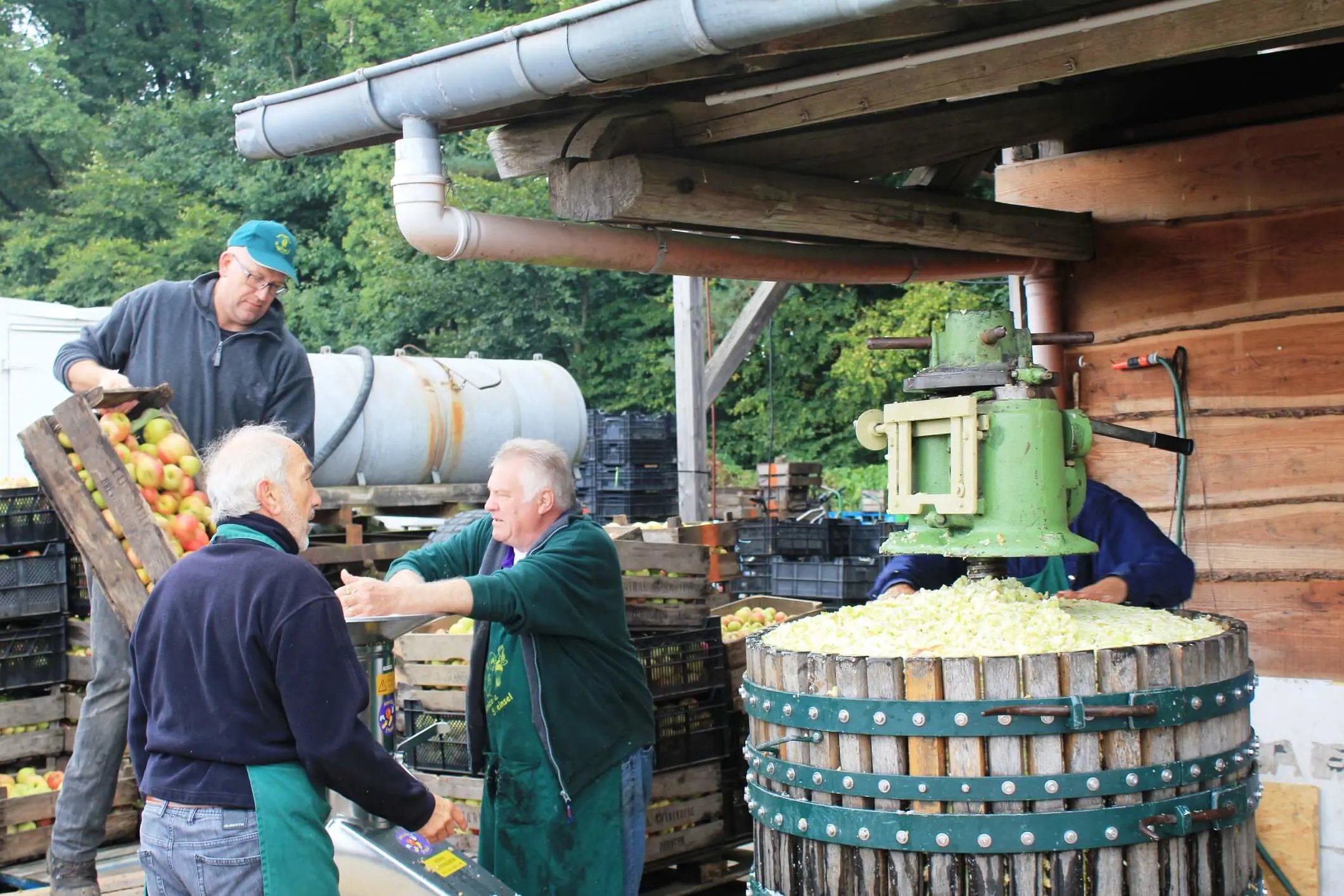
Closely linked to the apple harvest are the traditional Vizfester. "Viz" is the Luxembourgish word for apple juice, a beverage that has been produced in the country's orchard regions for centuries. During these celebrations, visitors can learn more about traditional apple pressing and cider production while discovering an important part of Luxembourg's rural heritage. Together, the Äppelfester and Vizfester highlight the important role that apples have played in Luxembourgish agriculture and family life for generations. Whether celebrating plums, apples, cider or the harvest itself, these autumn festivals offer a wonderful opportunity to discover the traditions, flavours and community spirit that make Luxembourg so unique.
Traditional production of apple juice using the pressing machine in Steinsel.
© Senatorjoanna | Dreamstime.com
Autumn along the Moselle and beyond
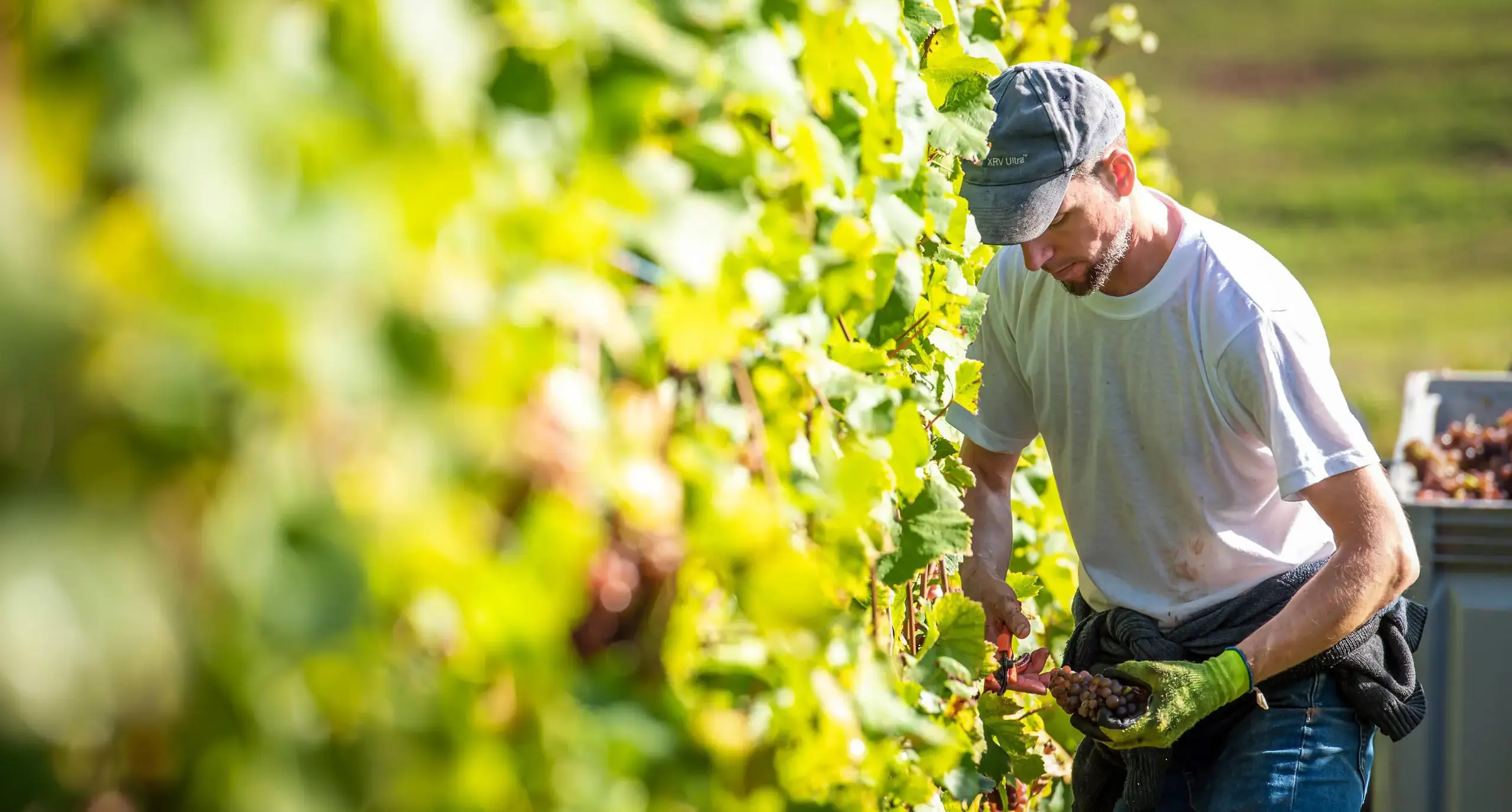
October is one of the most beautiful moments of the year to explore Luxembourg. As the grape harvest reaches its peak, vineyards along the Moselle glow in shades of gold, amber and deep red. Winegrowers continue centuries-old traditions as they gather the grapes that will become next year's wines and crémants.
One of the highlights of the season is the Hunnefeier in Schengen, which takes place on 18 October 2026. This traditional festival marks the end of the annual grape harvest and celebrates Luxembourg's rich wine-growing heritage. According to an old custom, a rooster was awarded to the winegrower who finished harvesting first. Today, this tradition lives on through the famous Schengener Hinnchen, a decorative clay rooster designed by a different artist each year. Visitors can enjoy local wines and crémants, Fiederwäissen and Fiederrouden, artisan stalls, traditional food, music and family entertainment.
October is also a wonderful time to discover the many smaller wine festivals, open-cellar weekends and harvest celebrations that take place throughout the Moselle valley. These events offer visitors the opportunity to meet local winemakers, taste regional products and experience Luxembourg's wine-growing traditions first-hand.
Autumn celebrations are not limited to the vineyards. In the north of Luxembourg, the picturesque medieval town of Vianden hosts the traditional Veiner Nëssmoort, one of the country's most beloved autumn festivals.
The word Nëssmoort literally means "nut market". For generations, walnut trees have played an important role in the region. Walnuts were harvested each autumn and used in baking, cooking, oil production and traditional family recipes. The festival celebrates this rich heritage and transforms the charming streets of Vianden into a lively open-air market.
Visitors can discover walnuts and other nut-based products, homemade cakes, pastries, breads, liqueurs and regional specialities. Local artisans showcase traditional crafts, musicians provide entertainment, and families can enjoy the festive atmosphere while exploring one of Luxembourg's most beautiful historic towns.
Like the Hunnefeier, the Veiner Nëssmoort is much more than a market. It is a celebration of local traditions, seasonal foods and community spirit, keeping alive customs that have been passed down through many generations.
Throughout October, many villages also organise Quetschefester, Äppelfester and Vizfester, celebrating plums, apples and Luxembourg's cider-making tradition. Visitors can sample homemade Quetschekraut, freshly pressed apple juice, local cider and many other seasonal specialities that showcase the close connection between Luxembourg's people and the harvest season.
Together, the Hunnefeier, the Veiner Nëssmoort, the Quetschefester, Äppelfester and Vizfester remind us that autumn in Luxembourg is not only a season of beautiful colours but also a time when communities come together to celebrate the fruits of the land and the traditions that continue to shape the country's cultural identity.
Further Information
🔗 Learn more about the Hunnefeier
Visit Moselle - Hunnefeier [visitmoselle.lu]
🔗 Learn more about the Veiner Nëssmoort
Visit Luxembourg - Veiner Nëssmoort
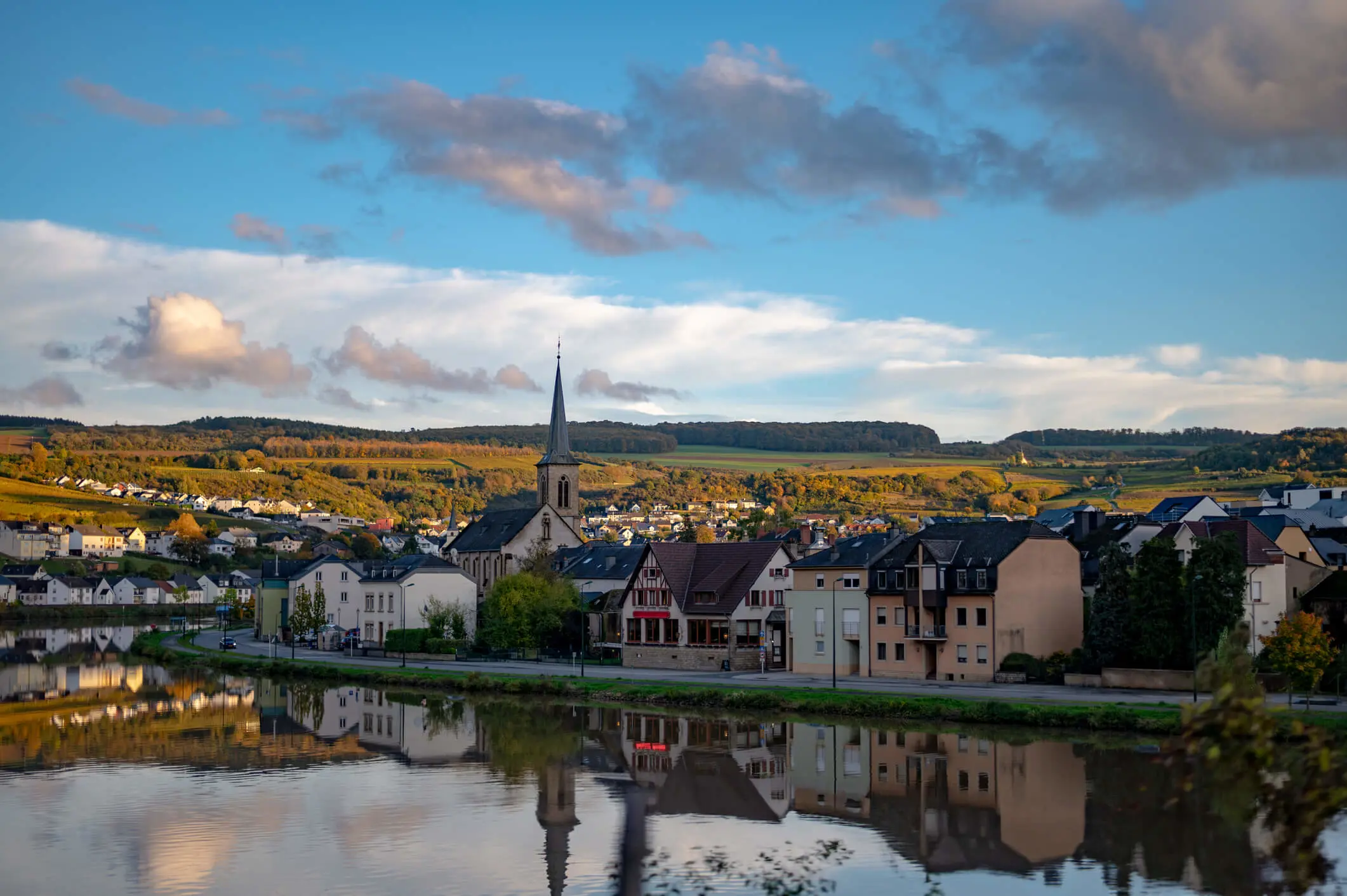
Terraced vineyards of Machtum and the Moselle River. © Barmalini | Dreamstime.com
Children's Corner
Make a Pappendag surprise
Why not create a special Father's Day card?
All you need is:
- Coloured paper
- Markers or pencils
- Autumn leaves collected during a walk
- A little imagination
Children can create a unique card and write or draw something that makes their father special.
Autumn Scavenger Hunt
Can you find:
- A red leaf
- A yellow leaf
- A chestnut
- An acorn
- An apple
- A bunch of grapes
- A pine cone
Recipe Corner: Our family Kachkéis
Ask ten Luxembourgers for a Kachkéis recipe and you will probably receive ten different answers. Some add wine, some herbs, and some have secret family ingredients that have been passed down for generations.
Today, I would like to share our family's version.
Place all ingredients in a saucepan and heat gently over a low temperature.
Stir continuously while the cheese melts to prevent it from sticking to the bottom of the pan.
Once the mixture has melted completely and become smooth, pour it into a bowl and leave it to cool.
Traditionally, Kachkéis is spread on fresh bread.
In our family, however, we also enjoy it slightly warm and serve it with fresh baguette for dipping, much like a cheese fondue. It is equally delicious when used to gratinate potatoes and adds a wonderful Luxembourgish touch to simple family meals.
Ingredients
- 250 g Kachkéis (processed cheese roll, which must be melted)
- 250 ml cream
- 1 tablespoon Luxembourgish mustard
- A pinch of nutmeg
- Salt to taste
- Freshly ground pepper
Instructions
- Place all ingredients in a saucepan and heat gently over a low temperature.
- Stir continuously while the cheese melts to prevent it from sticking to the bottom of the pan.
- Once the mixture has melted completely and become smooth, pour it into a bowl and leave it to cool.
Traditionally, Kachkéis is spread on fresh bread. In our family, however, we also enjoy it slightly warm and serve it with fresh baguette for dipping, much like a cheese fondue. It is equally delicious when used to gratinate potatoes and adds a wonderful Luxembourgish touch to simple family meals.
Word of the Month
Pappendag means Father's Day in Luxembourgish.
Pronunciation:[pˈapəndaχ]
German: Vatertag
French: Fête des Pères
English: Father's Day
Example
"Fir Pappendag hunn d'Kanner hirem Papp e Bild gemoolt."
It means: "For Father's Day, the children painted a picture for their dad."
Another example
"Zu Lëtzebuerg gëtt de Pappendag traditionell den éischte Sonndeg am Oktober gefeiert."
It means: "In Luxembourg, Father's Day is traditionally celebrated on the first Sunday of October."
Autumn in Luxembourg has a special kind of magic. It can be found in the excitement of children preparing surprises for Pappendag, in the bustling harvest festivals that bring communities together, in the golden vineyards of the Moselle and in the recipes that remind us of home.
As the days become shorter and the evenings cooler, I hope you will take time to enjoy everything this beautiful season has to offer, whether that means exploring a local festival, learning something new about Luxembourg or simply sharing a meal with family and friends.
Wishing you a wonderful October filled with warmth, discovery and many happy moments.
Léif Gréiss,
– Isabelle
- This article is part of our “Inside Luxembourg” series, celebrating the stories, flavours and traditions that shape our local culture. References to events, organisations and external information sources are provided solely for informational purposes. Readers should consult the respective organisers for the most current information.
Learn more about Luxembourg
-

Inside Luxembourg: Harvest traditions and autumn flavours
October's Inside Luxembourg column by St George's Luxembourgish teacher Isabelle Frisch-Koopmans looks at the festivals, traditions and colours of autumn throughout the country.
-

Inside Luxembourg: September magic
September's Inside Luxembourg column by St George's Luxembourgish teacher Isabelle Frisch-Koopmans explores the Shueberfouer, wine festivals, Charly Gaul Randonée and offers a recipe for Gromperekichelcher.
-

Inside Luxembourg: Summer days
Inside Luxembourg with Isabelle Frisch-Koopmans this week provides an overview of summer activities grouped by age, a short preparation checklist, and two simple recipes for warm days.
-

Inside Luxembourg: Nobel Prize stories
Inside Luxembourg with Isabelle Frisch-Koopmans this week discovers two remarkable Nobel Prize laureates: Gabriel Lippmann and Jules Hoffmann.