
News
One year of Climate Pledge
09 November 2022
St George’s created the School Climate Pledge as the UK prepared for COP26. The School Climate Pledge represents St George’s commitments to sustainability and has three pillars: 1. Reduce emissions; 2. Protect biodiversity; and 3. Be smart with resources.
The pledge was timed to coincide with COP (United Nations Climate Change Conference of the Parties) so that every future COP would trigger a reflection of promises made by the school. As COP27 kicks off in Sharm el-Sheikh, the parties are looking to focus on delivering on the promises of Paris, and in turn St George’s should reflect on promises made, where we are, one year on and what more we can do.
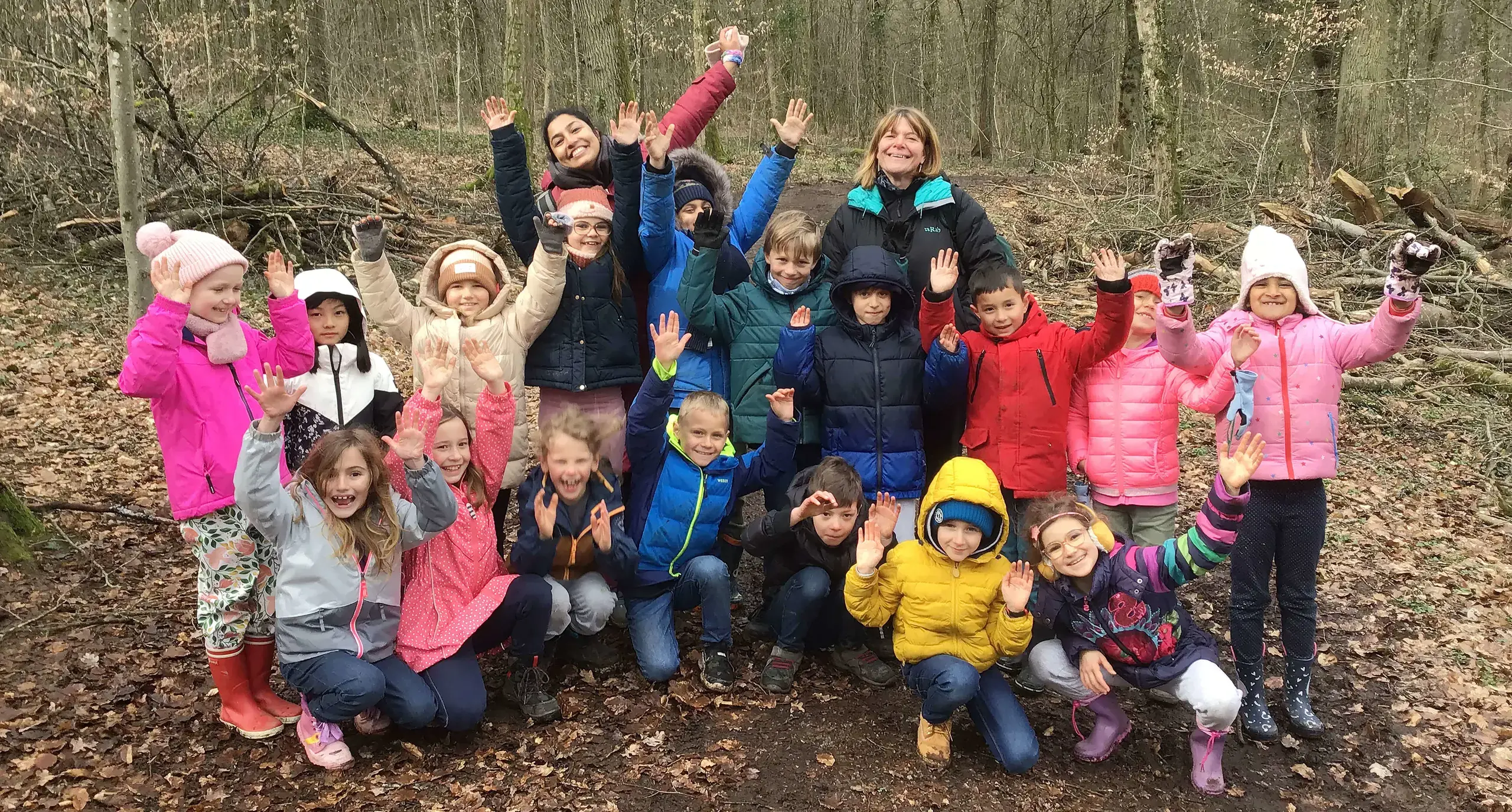
Over the last year, our Sustainability team has grown. We now have more 35 Eco-Agents in Primary, a Ministry of Climate Action in Secondary, as well as a thriving kitchen garden club and upcoming Switch Kids club. These student bodies are supported by a staff team including the Sustainability Coordinator, Sustainability Ambassadors in both Primary and Secondary school and parent Sustainability Ambassadors. The Sustainability team can be contacted at sustainability@st-georges.lu.
While we have made a lot of positive progress, there are still many significant changes that we all need to continue making, to reduce our consumption, energy usage, emissions and support biodiversity.
Here are some examples of how the school is supporting the pledge. You can read more on the Ecoschool page.
Reduce emissions
Emissions have successfully been reduced with Planet meal days once every two weeks, resulting in an estimated reduction of 10 tonnes of CO2 emissions per year. The school is also investigating the potential for electric buses in the coming years and promotes the use of public transport and carpooling.
A redesign of the heating system for the new school gym means the future operational emissions of the new building will be reduced from 35 tonnes to 6 tonnes per year. The new school gym will also have a fully populated roof solar estate which will deliver 8% of the school’s total electricity. The remainder of the electricity will continue to be sourced from renewable energy via the energy supplier (this is mainly from hydropower in Germany).
The concept of emissions and carbon counting is now introduced to Year 5 students under the topic “Me and my planet”. Year 5 students also created the wonderful e-book "How to save the world if you are 9-10”. Secondary students will have the opportunity to dig deeper into measuring St George’s building energy with Dr Plant’s new Switch Kids lunch club scheduled for later this term.
Protect biodiversity
In January, Secondary Student Parliament took part in a reforestation program with Nature Emvelt to plant trees and bushes to help restore local biodiversity. In September, students were able to join the kitchen garden club. Run by Ms Mewha, the club is proving highly successful, teaching students how to garden, cook and appreciate local plants.
Primary created a new outdoor classroom and took to the veggie garden to plant sunflowers, strawberries, potatoes and more. Eco-Agents also made bird-feeders, insect hotels and took part in biodiversity blitzes.
Recently, Primary teacher Ms Oaks set up the Gambia Partnership Collective. This partnership invites students to partner in service learning and discuss climate change matters with students from Batokunko school in The Gambia. St George’s students have also helped fundraise to plant trees in The Gambia with the triple benefit of protecting Batokunko's school grounds from storms, providing fruit resources and offsetting some of St George’s school emissions.
Be smart with resources
The school actively promotes recycling and is always seeking new ways to upcycle, repair, reduce and reuse. Primary Eco-Agents are given missions to ensure their class switches off lights, smartboards and recycles correctly.
Recently, Secondary art students visited Lët'z Refashion to discover the impact of fast fashion in Ghana and learnt upcycling sewing techniques. Currently, there is a school-wide project to upcycle plastic bottles into a greenhouse.
Last year, St George's installed food recycling bins in the canteen, inviting students to scrap plates and recycle food. This aims to keep students mindful of food waste whilst also recycling food into biofuel.
2023 and beyond
These are just a few of the success stories from the past year. We still face challenges in reducing our energy consumption, reducing waste, sourcing recycled resources and increasing the use of low-emission transport to school. If you have any ideas to help improve sustainability, please contact sustainability@st-georges.lu
This is the beginning of a long journey, but the key message is that we empower and support the students, as a school community, to make it clear we can make more sustainable choices for the global community.
If you would like to learn more about sustainability at St George’s please visit the Ecoschool page, follow us on https://www.instagram.com/stg_ecoschool or email us at sustainability@st-georges.lu.