News
Inside Luxembourg: The Christmas period
19 December 2025
By Isabelle Frisch-Koopmans
As December unfolds, traditions in Luxembourg mark the rhythm of the season. Christmas Eve, New Year’s Eve and Epiphany each carry their own customs – from family meals to fireworks and the sharing of the Dräikinnekskuch. In this column, I would like to show how these celebrations are lived here: simple in their origins, shaped by history, and enriched by culinary influences.
Christmas
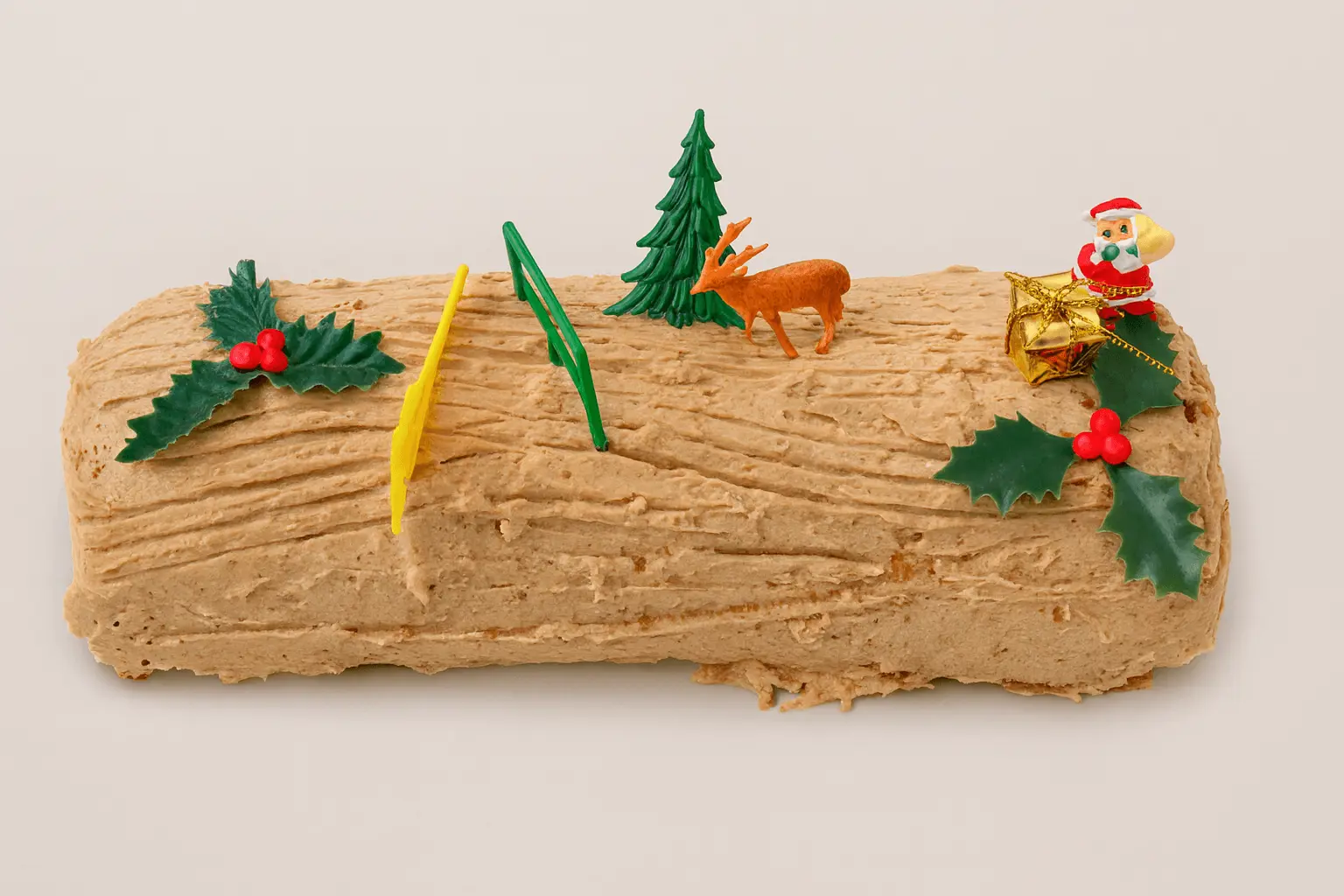
Christmas Eve (Hellegerowend) is the true beginning of the holiday. In earlier times, families often gathered around a modest meal of Hierken with potatoes, while the festive meal for all family members was served on 25 and 26 December. Today, menus are more elaborate: a roast or refined starters are common, and as dessert the Bûche de Noël has become a seasonal classic – a rolled sponge cake filled with cream, decorated like a log, reflecting the French influence on our traditions.
After dinner on 24 December, gifts are exchanged, brought by the Chrëschtkëndchen (Christmas Child – baby Jesus), and many families attend Midnight Mass, keeping alive a tradition of community and reflection.
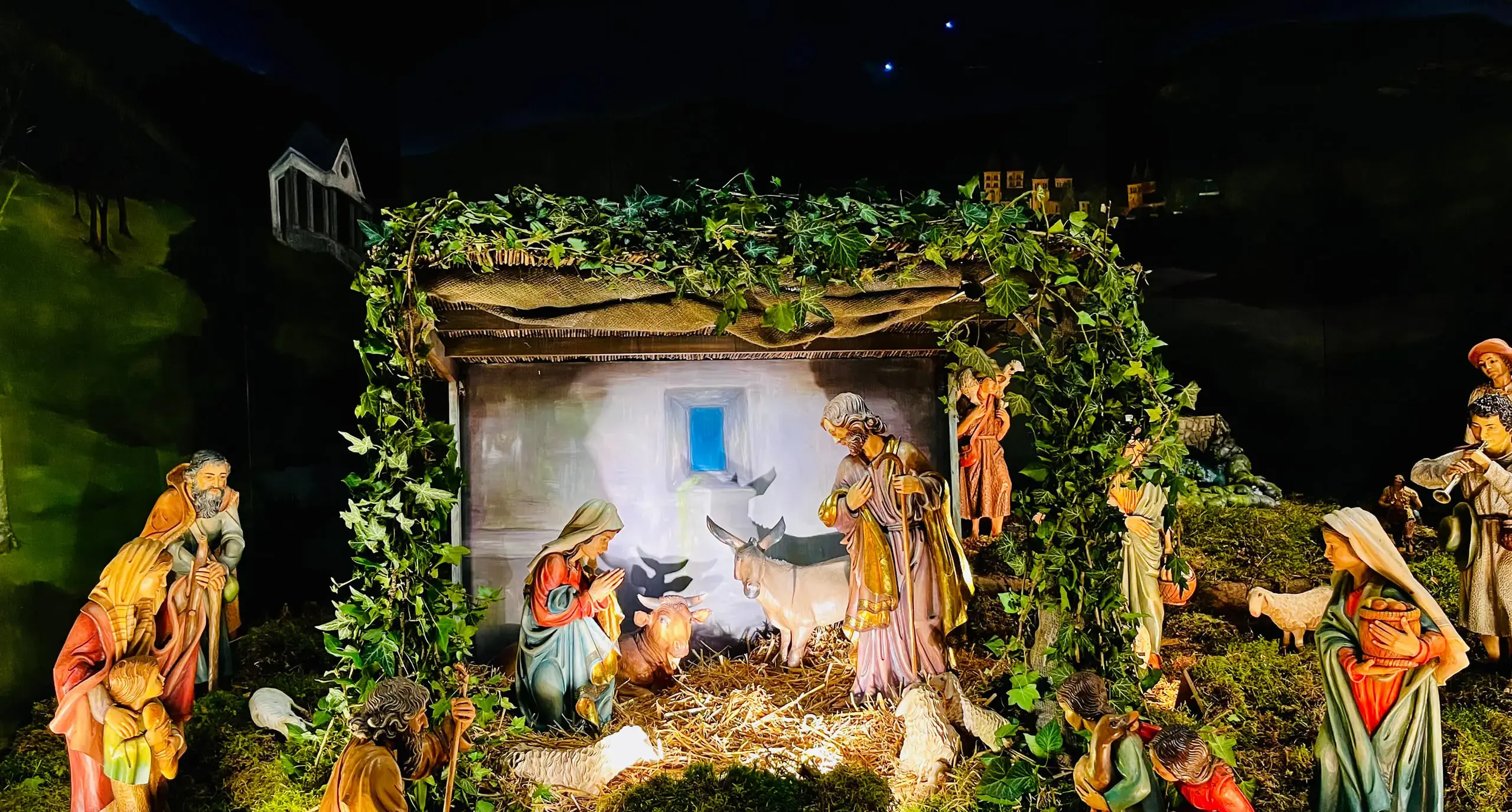
Throughout the season, nativity scenes (Krëppchen) are a familiar sight in Luxembourgish homes. Churches also display large, beautifully arranged Krëppen, often with handcrafted figures and local details. These scenes remind us of the spiritual roots of the celebration and are part of the quiet beauty that accompanies the festive days.
New Year’s Eve – Neijoerschdag
On 31 December, Luxembourgers welcome the New Year with festive dinners, sparkling wine and crémant. At midnight, fireworks light up the skies and people wish each other “E gudde Rutsch!” — a good slide into the New Year. The toast with crémant is a joyful symbol of hope and togetherness.
Epiphany – Dräikinneksdag
The festive season concludes with Epiphany on 6 January. Families share the Dräikinnekskuch, a puff pastry cake filled with almond cream. Hidden inside is a bean or figurine: whoever finds it becomes king or queen for the day, crowned with laughter and tradition.
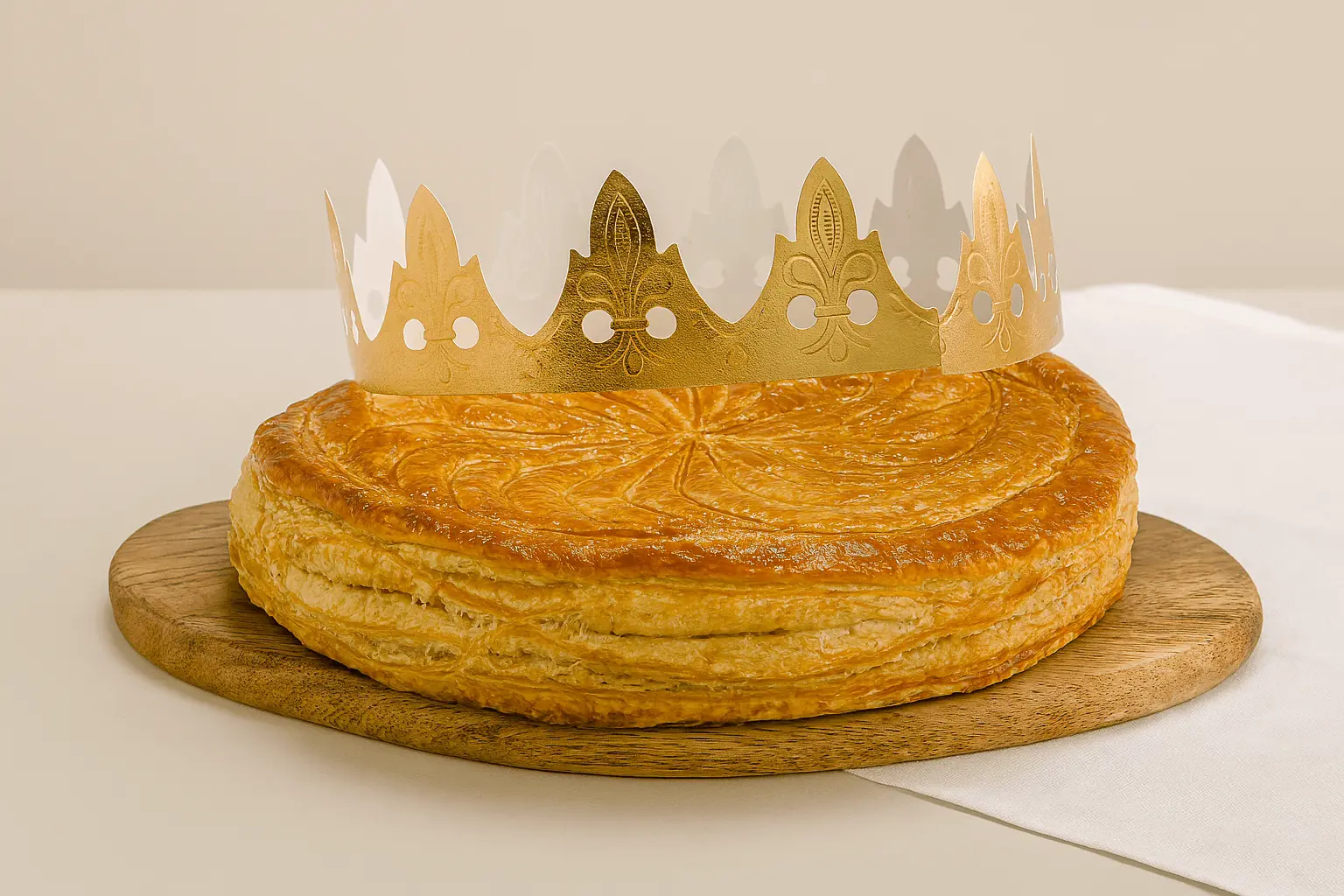
Dräikinnekskuch (Galette des Rois)
Source: luxembourg.public.lu
Ingredients
- 2 puff pastry rounds (approx. 28 cm)
- 120 g ground almonds
- 90 g butter
- 90 g sugar
- 2 eggs
- 1 vanilla pod
- 2 tbsp rum
- A few drops of almond extract
- 1 bean or figurine
Method
- Mix sugar, vanilla, and melted butter.
- Add one egg and rum, then stir in almonds and almond extract.
- Place one pastry round on a baking sheet, spread almond cream, and hide the bean.
- Brush the edge with egg white, cover with the second pastry round, and seal.
- Brush the top with egg yolk, score decorative lines.
- Bake at 200 °C for 20 minutes, then reduce to 180 °C and bake 10–15 minutes more.
- Cool and serve with a crown.
Language Fun of the Week: Chrëschtdag
The Luxembourgish word Chrëschtdag means Christmas Day.
Origin: Chrëscht (Christ) + Dag (day)
Phonetic transcription (IPA): [ˈʃʀəʃtdaːk]
- Example: “Mir feiere Chrëschtdag mat der Famill.” It means: “We celebrate Christmas with the family.”
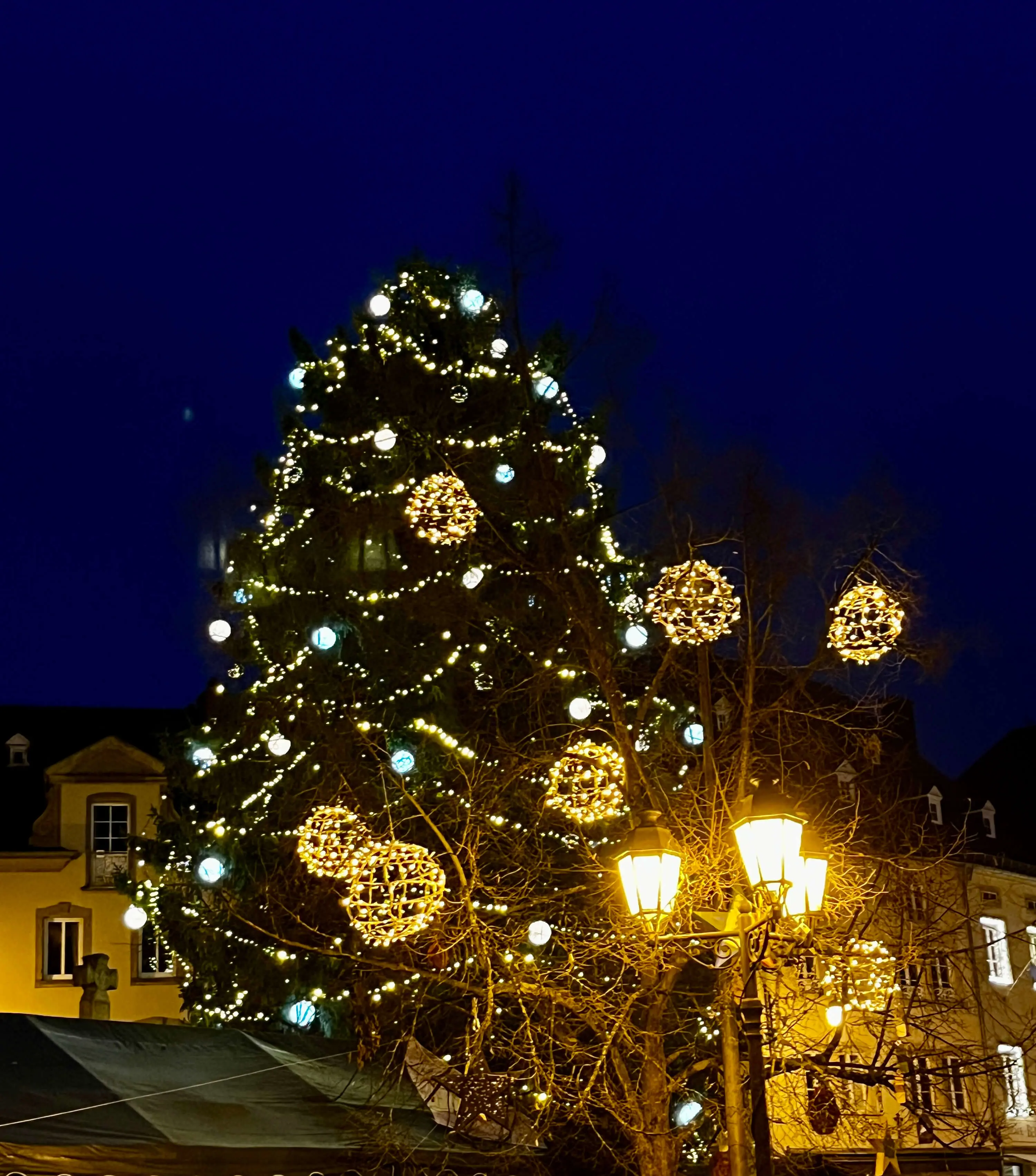
From the simple meals of the past to today’s festive tables, from fireworks on New Year’s Eve to the sweetness of the Dräikinnekskuch, Luxembourg’s traditions form a bridge between memory and renewal.
Schéi Feierdeeg an e gudde Rutsch an dat Neit Joer
May this season bring you and your loved ones moments of warmth, laughter, and quiet joy.
– Isabelle Frisch-Koopmans
- This article is part of our “Inside Luxembourg” series, celebrating the stories, flavours and traditions that shape our local culture.