News
Geneva trip explores frontiers of science
4 March 2026
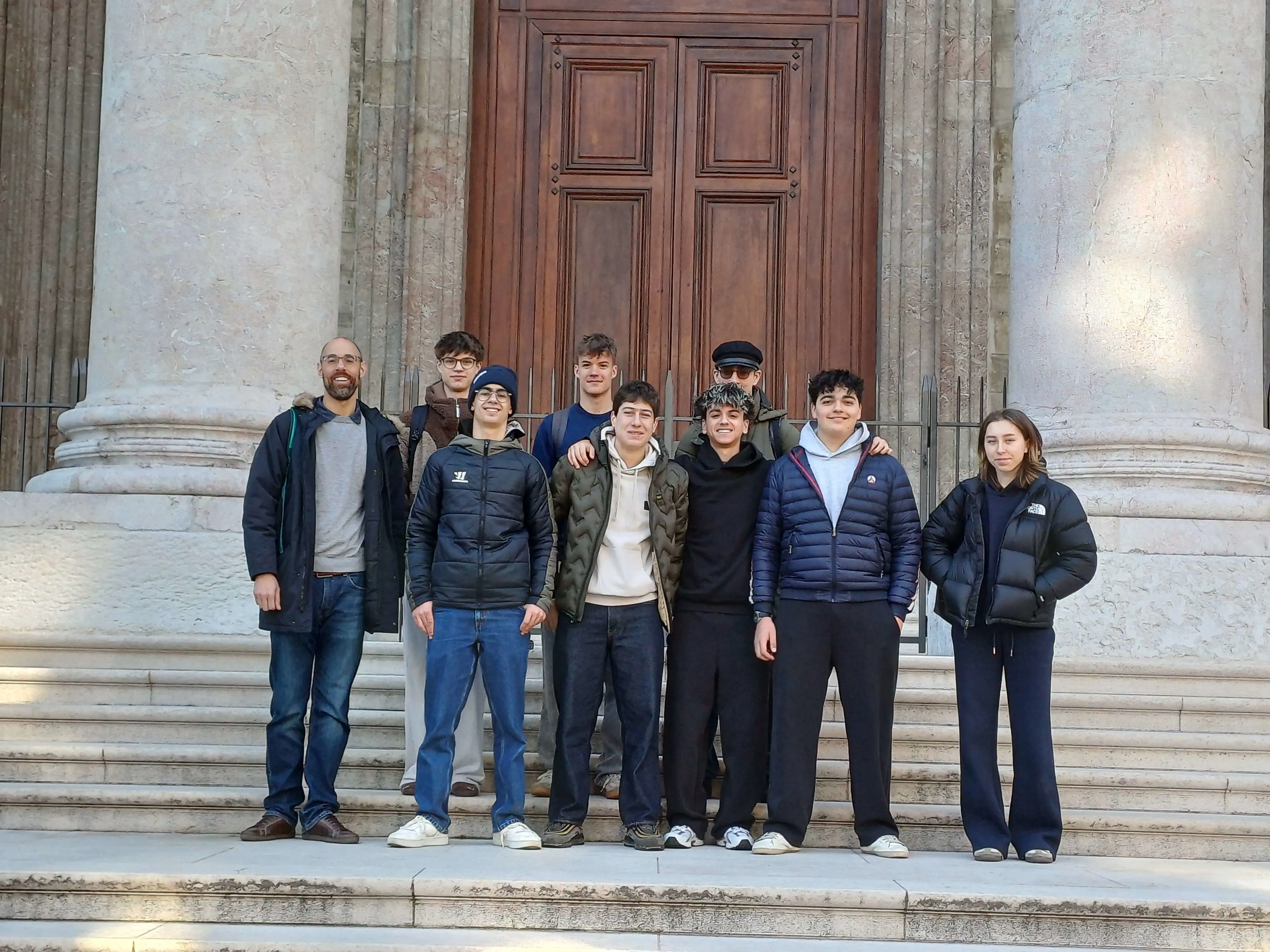
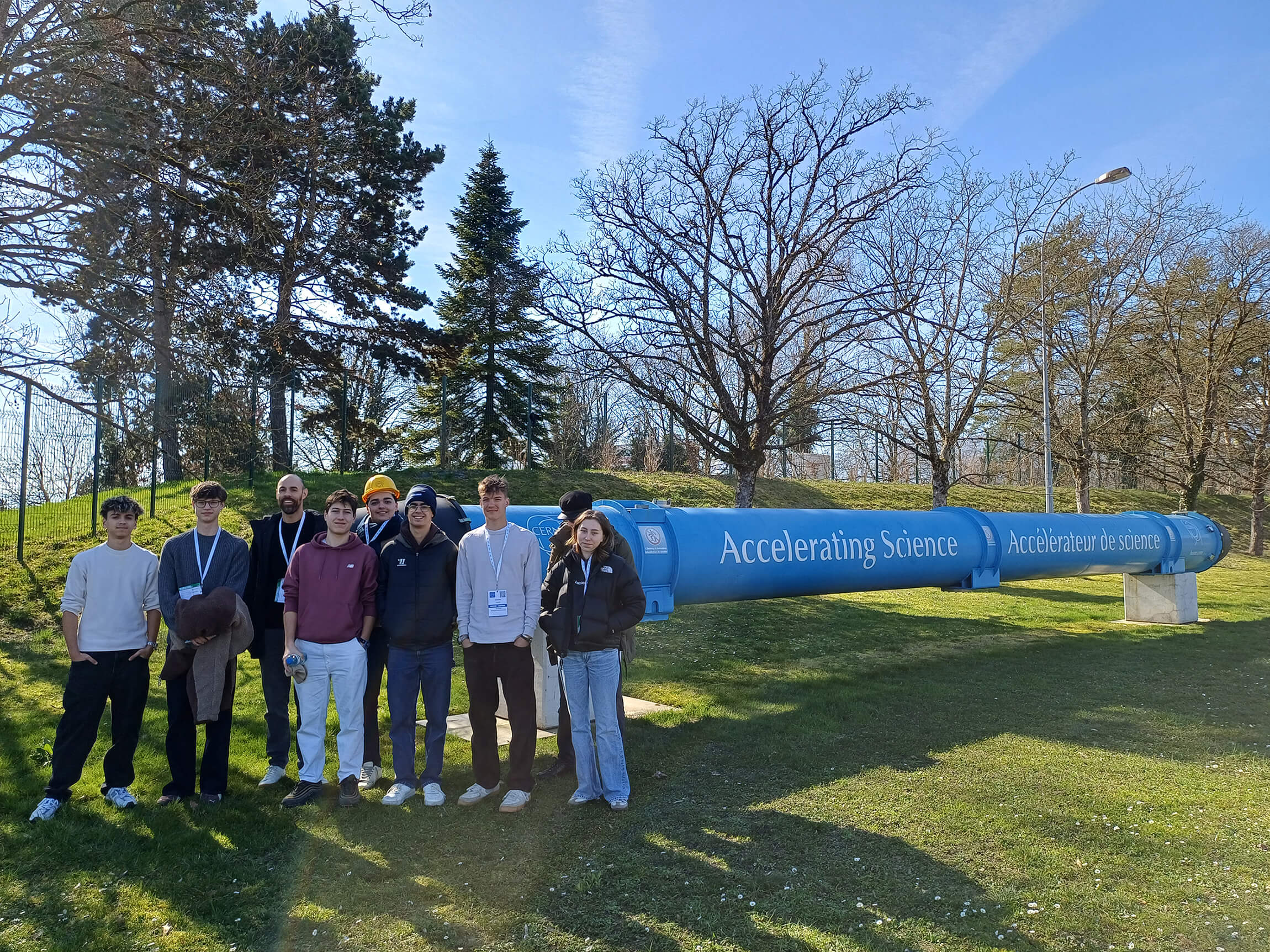
Eight Key Stage 5 students visited some of the world’s most influential scientific and humanitarian institutions in Geneva, Switzerland, to experience learning far beyond the classroom.
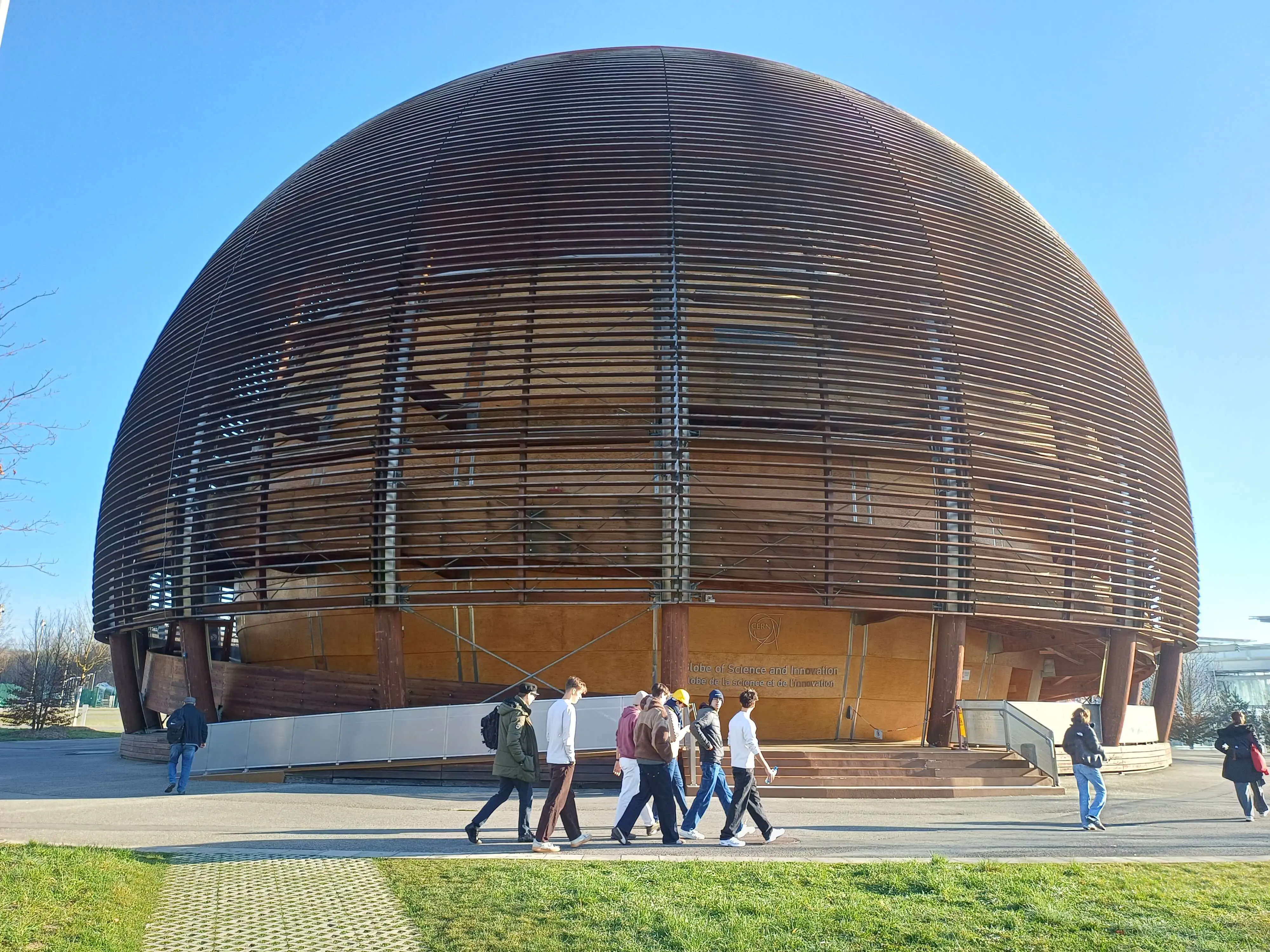
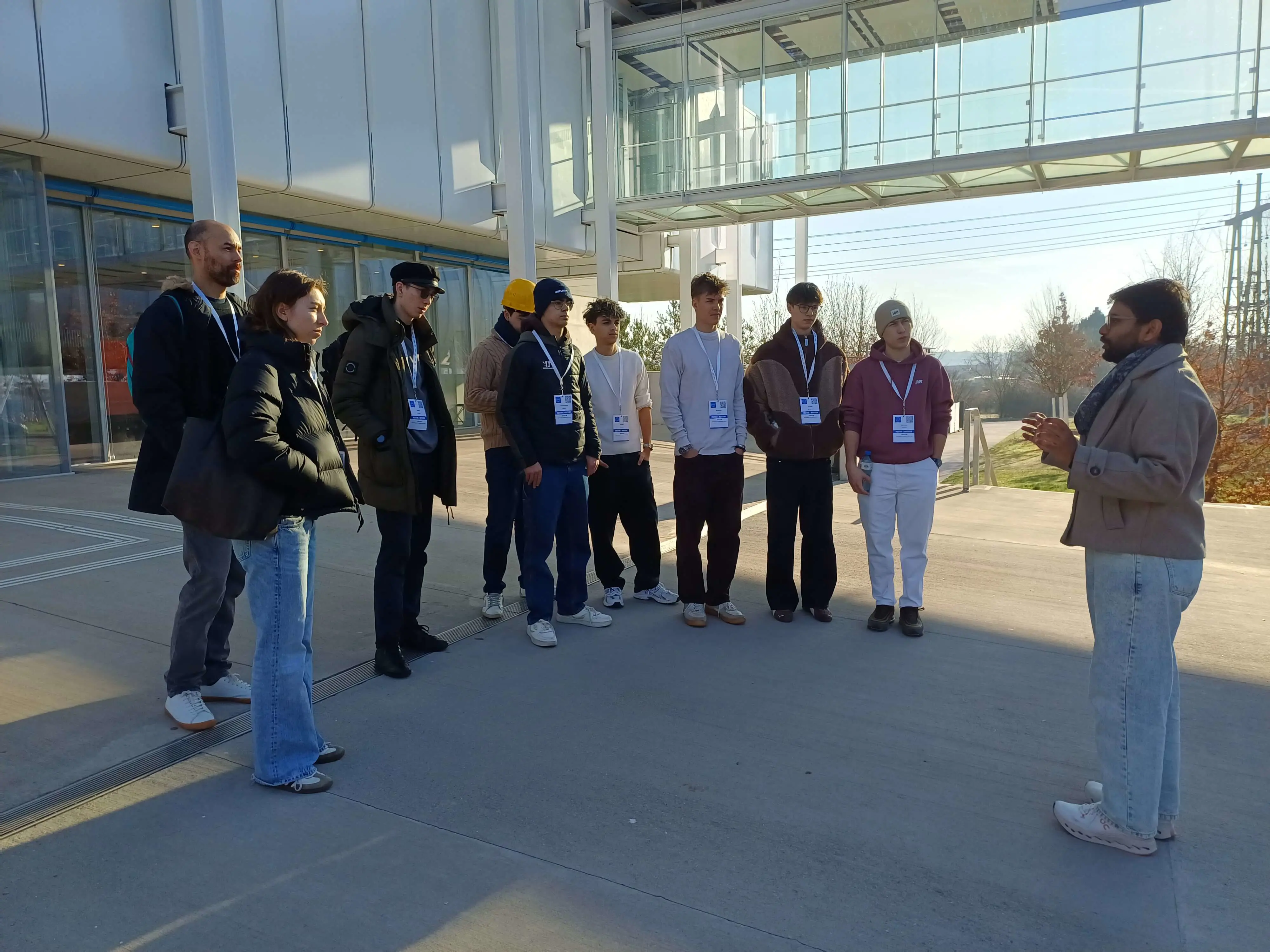
Starting at CERN, the European Organization for Nuclear Research, home to the world’s largest and most powerful particle accelerators, students explored what the organization describes as its mission: “to uncover what the universe is made of and how it works".
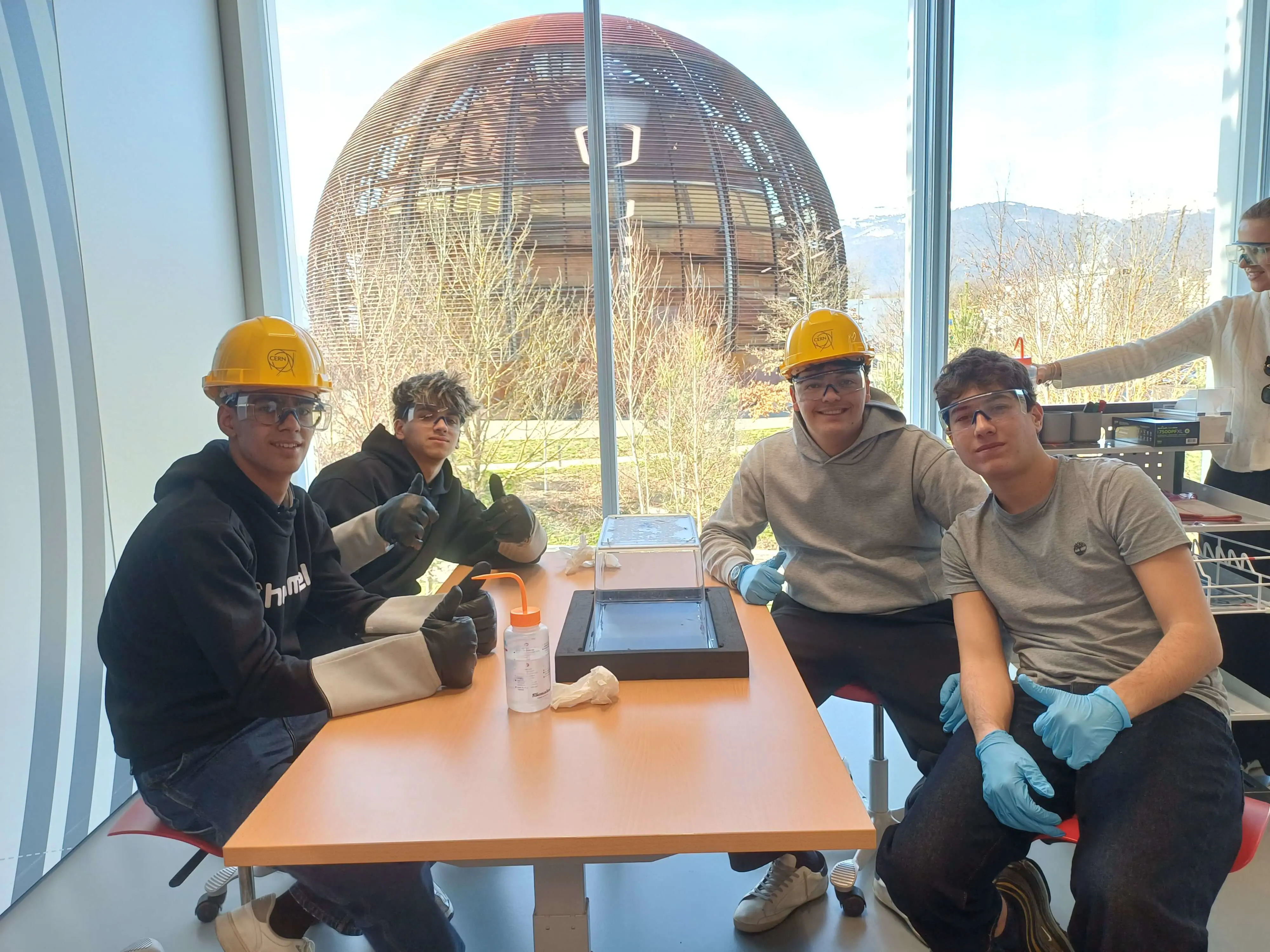
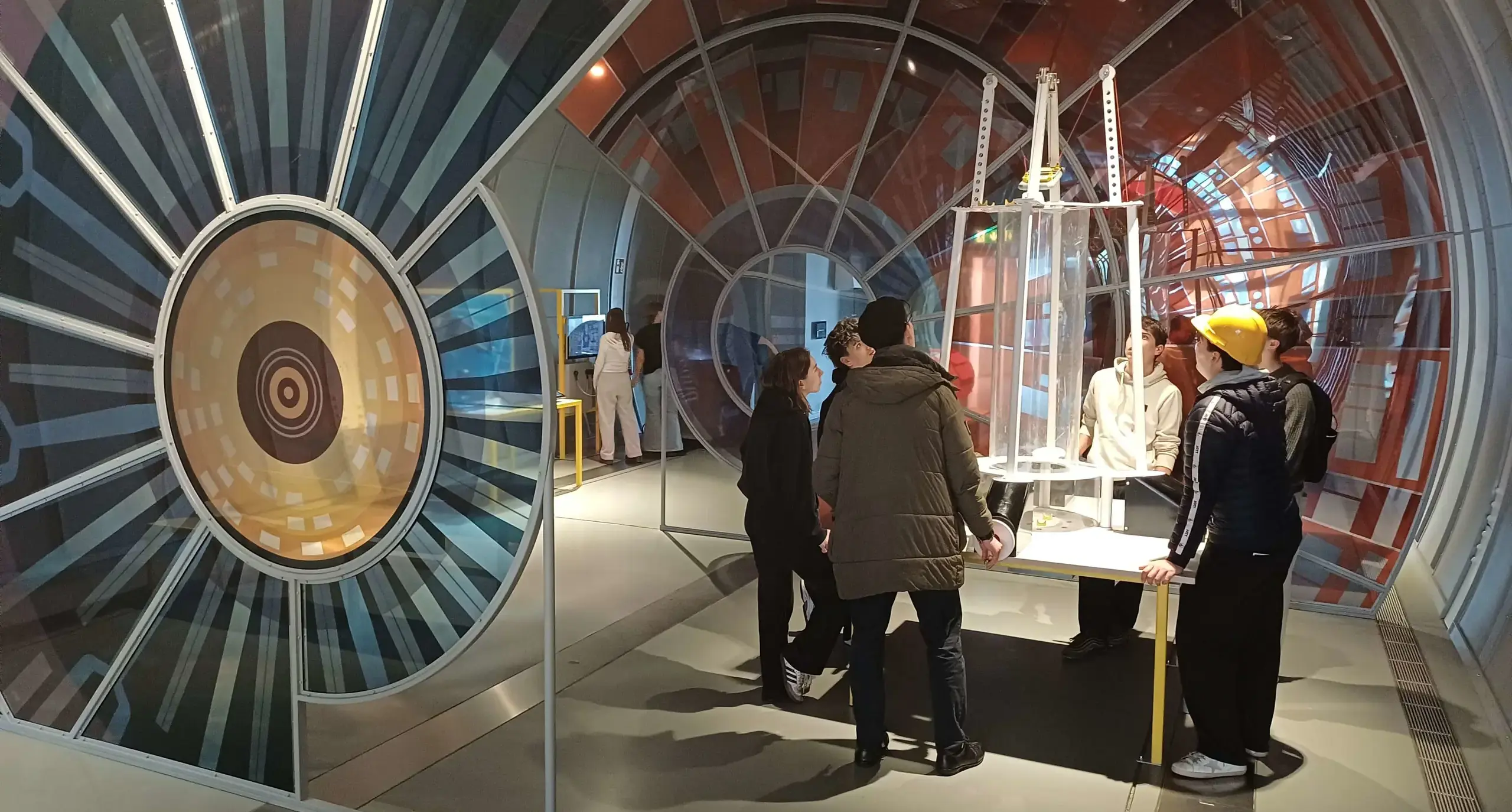
Students took part in a hands‑on workshop where they built their own cloud chamber, a device that makes invisible particle tracks visible, bringing particle physics to life before their eyes. They also participated in an engaging States of Matter show, packed with demonstrations and scientific surprises, and visited interactive exhibitions explaining the science behind CERN.
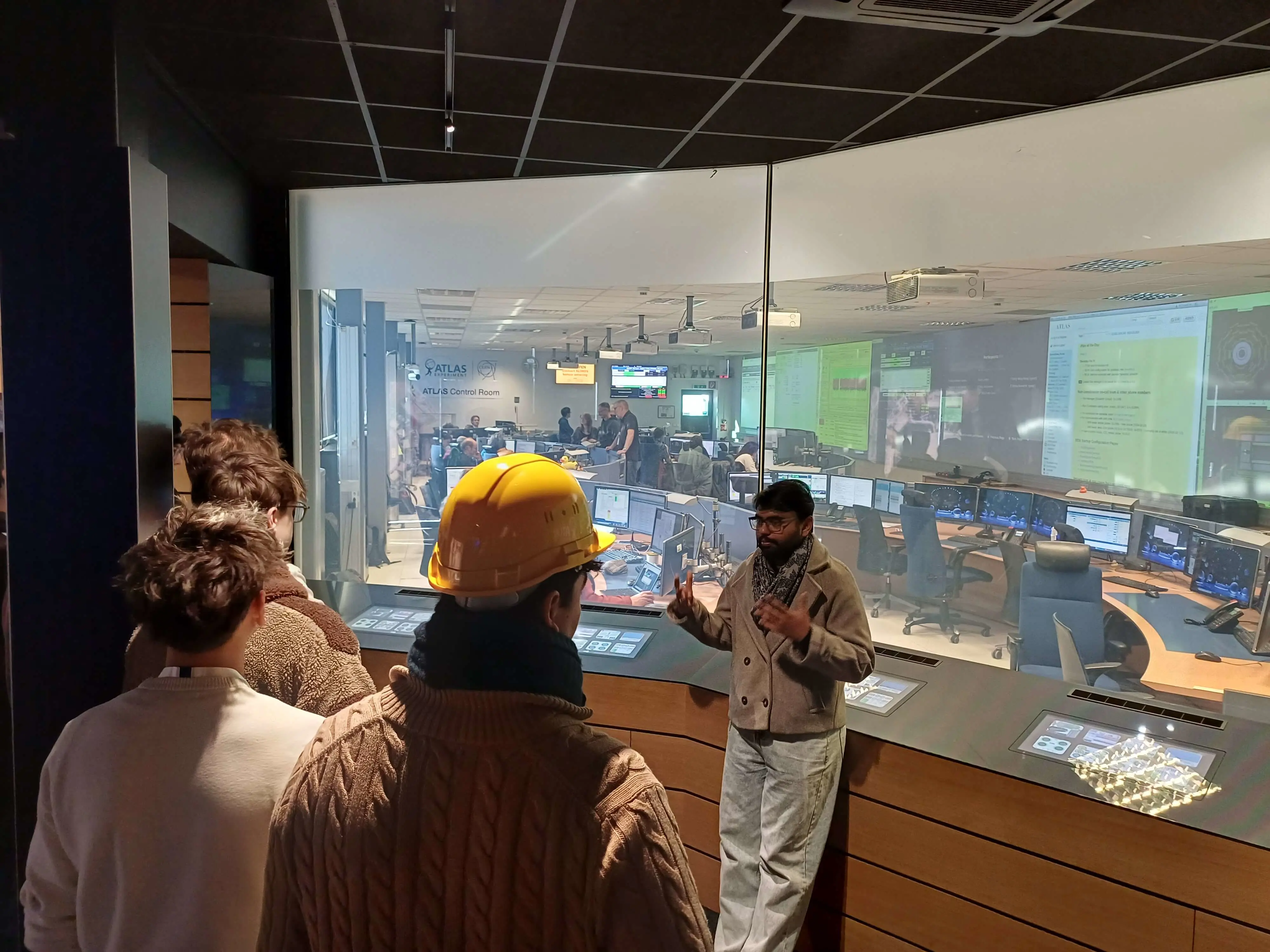
Students joined a guided ATLAS tour, gaining insight into the daily work of scientists, engineers and technicians who contribute to one of the Large Hadron Collider’s most iconic detectors. This deep dive into real‑world physics gave them a powerful glimpse into the cutting edge of scientific research. All activities were run by scientists who currently work at CERN, which gave students the chance to talk about career options.
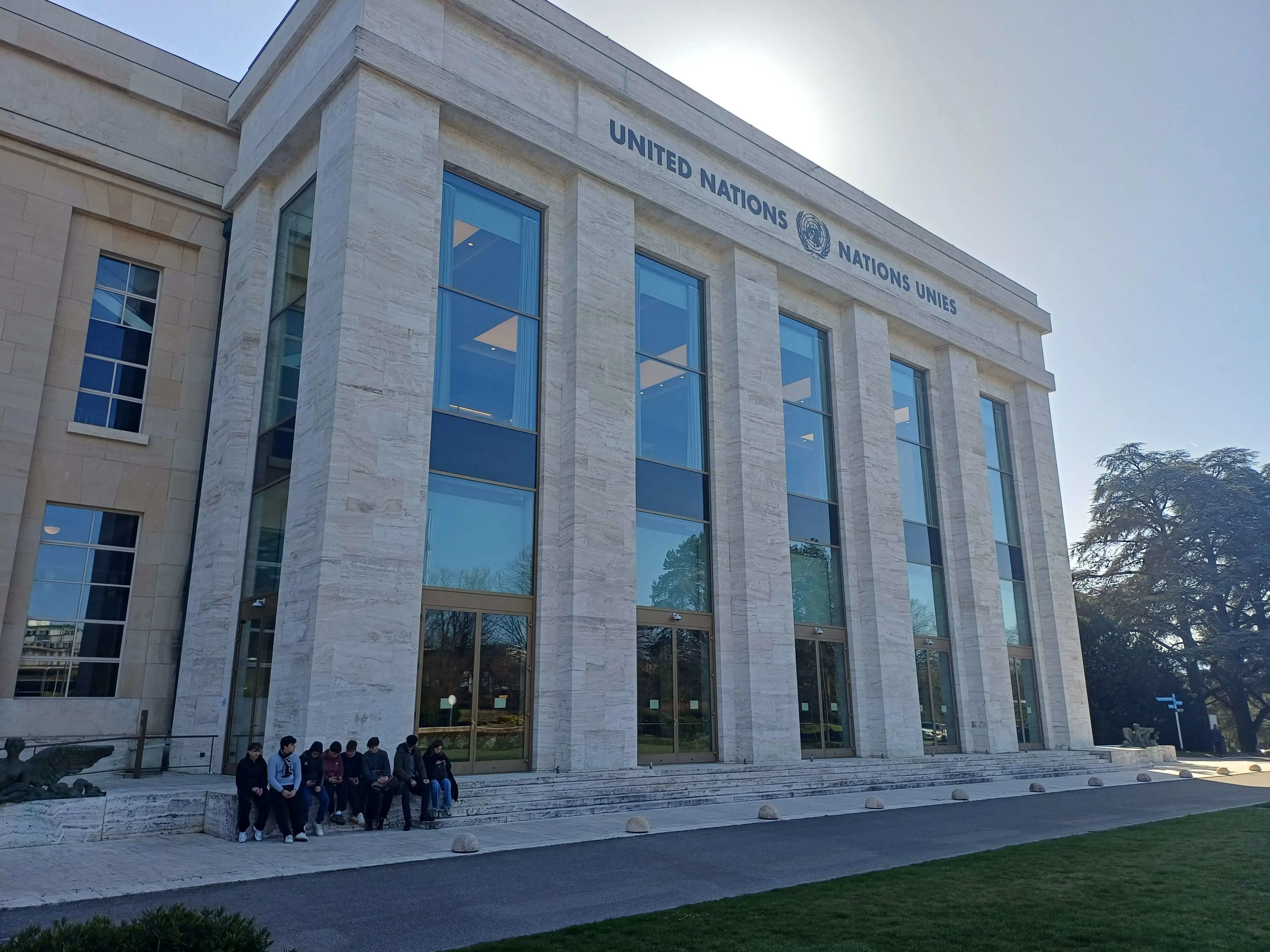
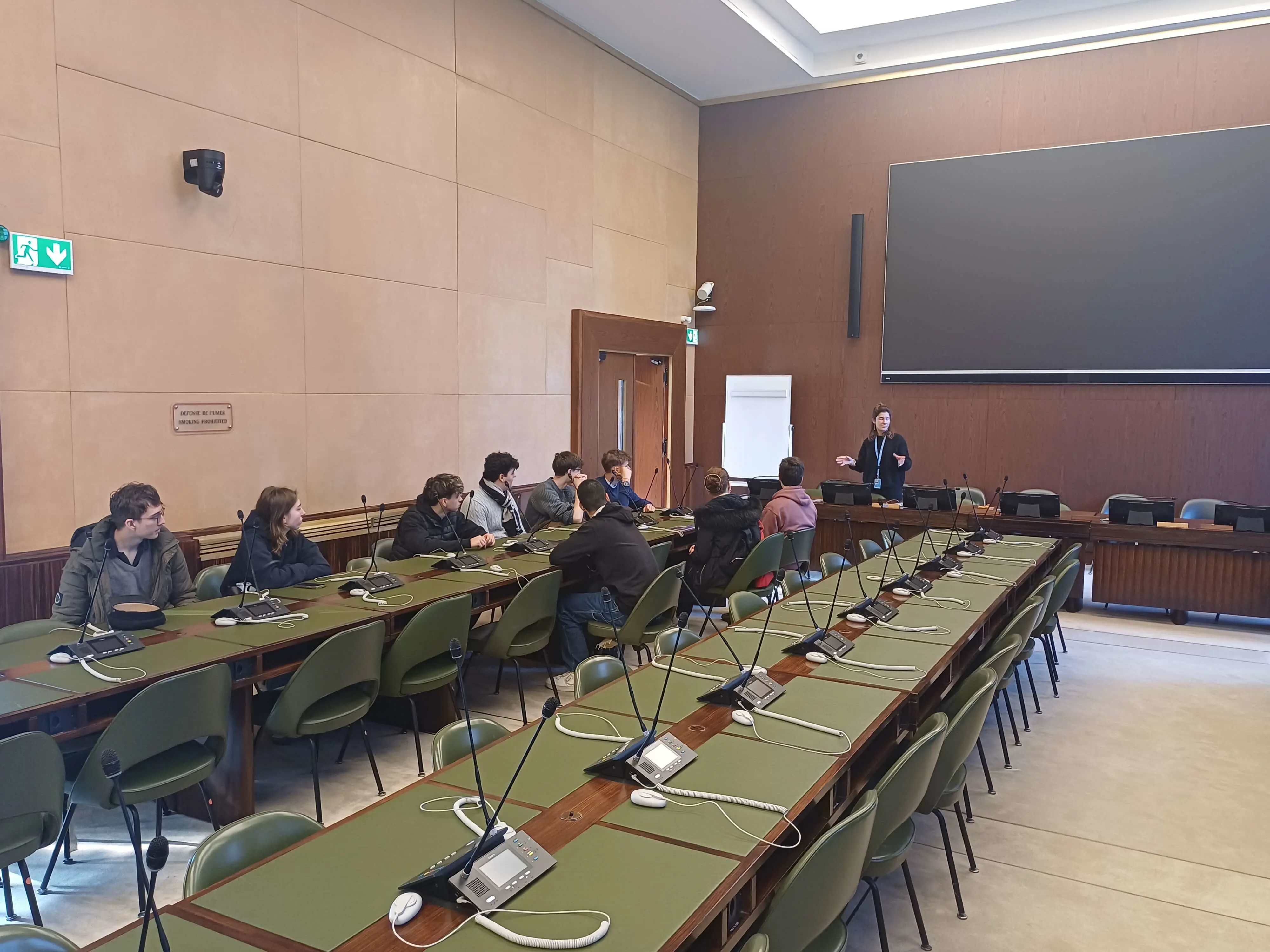
The trip included visits to two landmark institutions shaping global peace and humanitarian action. At the Red Cross Museum, students explored compelling stories of human resilience, innovation in crisis response, and the global impact of humanitarian work. At the United Nations, they experienced the heart of international diplomacy, learning how nations collaborate to address worldwide challenges – from human rights to climate change. They observed a human rights assembly. These visits highlighted the importance of science, inclusion, compassion and cooperation in shaping a better world.
The group also enjoyed Geneva’s cultural richness, with a walk through the historic Old City and a stroll along Lac Léman. The trip offered the students a blend of science, history, culture and global awareness. From observing particle tracks to stepping inside international institutions, they returned inspired, curious and eager to explore new ideas. Trips like this remind us how powerful experiential learning can be – and how many possibilities await our students beyond the classroom walls.